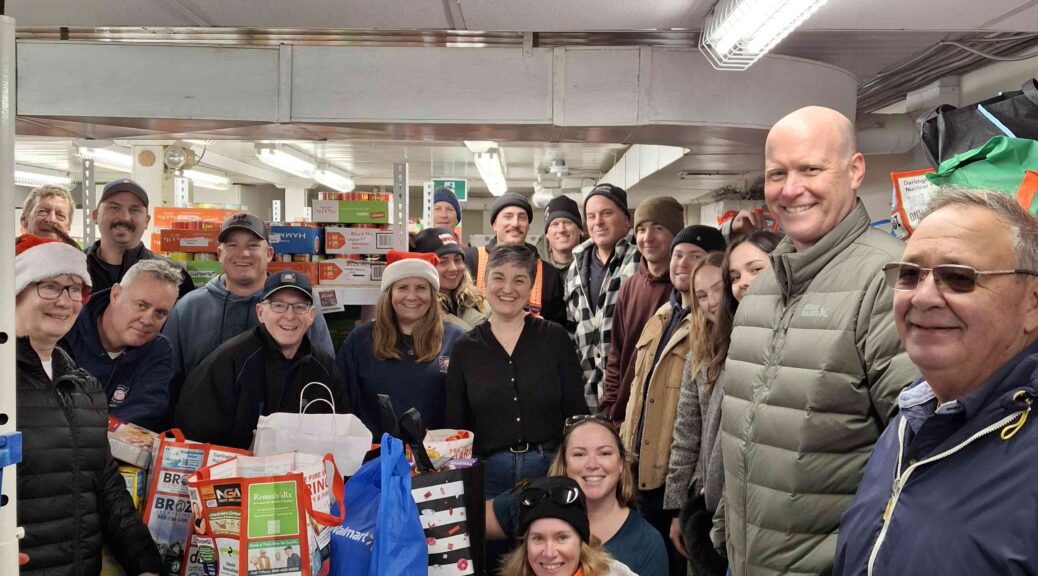
Behind Every Can: How to Run a Food Drive That Really Helps
Somewhere in Newcastle right now, there’s a cardboard box sitting in the corner of a staff room. Someone taped a sign to the front. Maybe a kid drew a can of soup on it in marker. And every day, a few more things land inside.
We love that box. We really do.
Food drives are one of the oldest ways neighbours look after each other, and plenty of the families who come through our doors on Tuesdays and Thursdays have been fed, at one point or another, by somebody’s box in a staff room, a classroom, or a church hall.
But here’s what most people never see: what happens after that box leaves your building matters just as much as what goes into it. So let’s pull back the curtain on how a food drive actually works from our side, and how you can run one that does the most good for the people we serve.
A little honesty from our side of the door
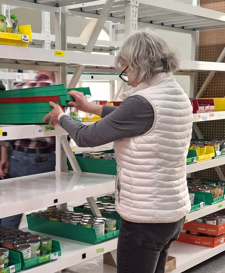
We’re a small crew. Three part-time staff, more than 50 volunteers, a warehouse that fills up fast, and not a dime of government funding. Every single item that comes in gets picked up, turned over, checked for its date, looked at for dents or broken seals, sorted and shelved. By hand. Mostly by volunteers.
And here’s the hard part. On average, about 10% of food drive donations arrive spoiled, damaged or expired. We can’t hand those to a family, and we won’t. Our neighbours deserve the same food you’d put on your own table.
That’s why we made a change. We now limit how many physical food drives we take each month, so they’re spread across the whole year instead of all arriving at once. The one exception? School drives. Kids learning to look out for their community is something we will always make room for.
Hunger doesn’t take July off
Ask almost any food bank in Ontario, and they’ll describe the same pattern. In December, people are wonderfully generous, and the shelves fill up. Then donations taper off through the spring, and summer turns into a long dry stretch until Thanksgiving. The Guelph Food Bank has talked about exactly this cycle.
We feel it here too. Nearly 40% of the people we support are children, and when school’s out, so are the nutrition programs that help families stretch their grocery budget.
So if your group has some flexibility, think about February, May, or August. A drive in a quiet month can mean more to our shelves than one more box in mid-December.
Our best-kept secret: the fund drive
We’re going to make a case here, and we’re not going to be shy about it.
If your group wants to make the biggest possible difference, think about running a virtual fund drive, either instead of a food drive or right alongside one. Here’s why we get excited about them:
- Your dollar stretches further. Thanks to our industry partnerships, we can often turn every $1 into $2 worth of food.
- It buys what a bin never can. Fresh fruit and vegetables. The things families need most and can’t be collected in a cardboard box.
- It fills the exact gap. We shop for whatever’s running low on our shelves that week, so nothing sits in storage.
- Nobody throws out their back. No heavy boxes, no sorting, no trips across town.
Set up a page, share a link, and watch the total climb. Our Donate Funds page has everything you need, and every gift of $25 or more gets a tax receipt.
Still want to collect real food? Good. Some groups love the hands-on part, and there’s something about watching a bin fill up that gets people fired up. Here’s how to do it right.
How to run a food drive with us, step by step
- Talk to us before you put up a single poster. Call us at 905-987-1418 or email claringtoneastfoodbank@gmail.com and we’ll send you our Food Drive Registration Form. It asks for your collection dates, roughly how much you expect to bring in, how many people will help unload, your contact info, and whether we can share your drive on social media. (Say yes. We love bragging about you.)
- Book your drop-off time. Once you’re registered, we’ll send you a link to book your drop-off. If our usual times don’t work for your group, just ask and we’ll try to arrange something else. One thing to plan for: we can’t pick up food, so line up a vehicle and a few helpers.
- Check the wish list and pick a theme. Our needs change, so look at the Wish List before you start. Right now we’re especially short on stew, canned salmon, canned chili, canned potatoes, peanut butter, jam, fruit cups, pudding cups, juice boxes, plant-based foods, pull-ups, deodorant, body wash, dish soap and toilet paper. People give better when they know exactly what to grab.
- Keep it short and easy to find. Three to five days is the sweet spot. Put your bins somewhere people walk past every day, out of the rain and snow.
- Check dates as you go. Everything needs to be unopened, intact and not expired. A quick look each day saves our volunteers hours later.
- Pack for the people who’ll lift it. Please keep every bag or box under 30 pounds. Each one gets carried in and unpacked by hand, and plenty of our volunteers are retiree, heavy bags are hard on the kids and seniors who help out.
- Bring it home. Show up with your team at your booked time at 250 Mill St. S. in Newcastle (our entrance faces Edward St., between Mill and Church). Snap a photo, tag us, and take a minute to feel proud.
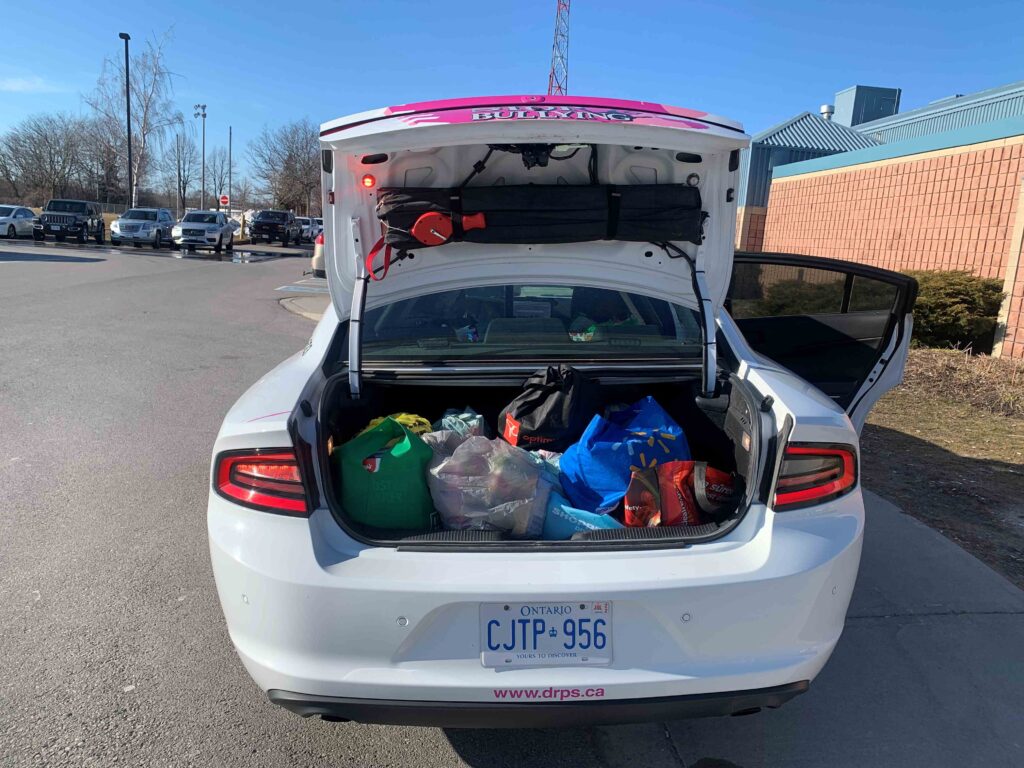
Durham Regional Police delivering food drive donations to the Clarington East Food Bank.
Ideas that get people talking
Publicity makes or breaks a drive. Post it, print it, email it, mention it at every meeting. Then give people a reason to have fun with it:
- Friendly competition. Department against department, classroom against classroom. The winners get a pizza party or a casual dress day.
- “Meating” the need. Dedicate a day to protein: canned meat, canned fish, peanut butter.
- Kid-Friendly Friday. Collect nut-free school snacks like fruit cups and granola bars.
- Fill the Playpen. Set up a playpen in the lobby and fill it with diapers, pull-ups and formula. It’s a great visual and people can’t resist it.
- Go hybrid. Tape a QR code to your bin that links to our online donation page, so folks who forgot to bring a can can still chip in.
Where your can ends up
Here’s the part we wish every food drive organizer could see.
Our neighbours don’t get handed a pre-packed bag. They shop. They walk our shelves and choose what their family will actually eat, the same way you would at the grocery store. So that jar of peanut butter you dropped in the bin? It becomes something a mom picks up because she knows her son will eat it in his lunch. That’s not charity. That’s dignity, and it’s a hand up.
Whether you collect a hundred cans or raise a hundred dollars, you’re part of that moment. Thank you for wanting to help.

Ready to start? Call us at 905-987-1418 or email claringtoneastfoodbank@gmail.com for your registration form, or read more on our How to Organize a Food Drive page.
Clarington East Food Bank serves Newcastle, Orono, Newtonville, Kendal and Kirby. We receive no government funding and run on the generosity of our neighbours, one bin, one dollar, and one volunteer shift at a time.