This World Food Day, Hunger Is Closer Than You Think
This World Food Day, Hunger Is Closer Than You Think
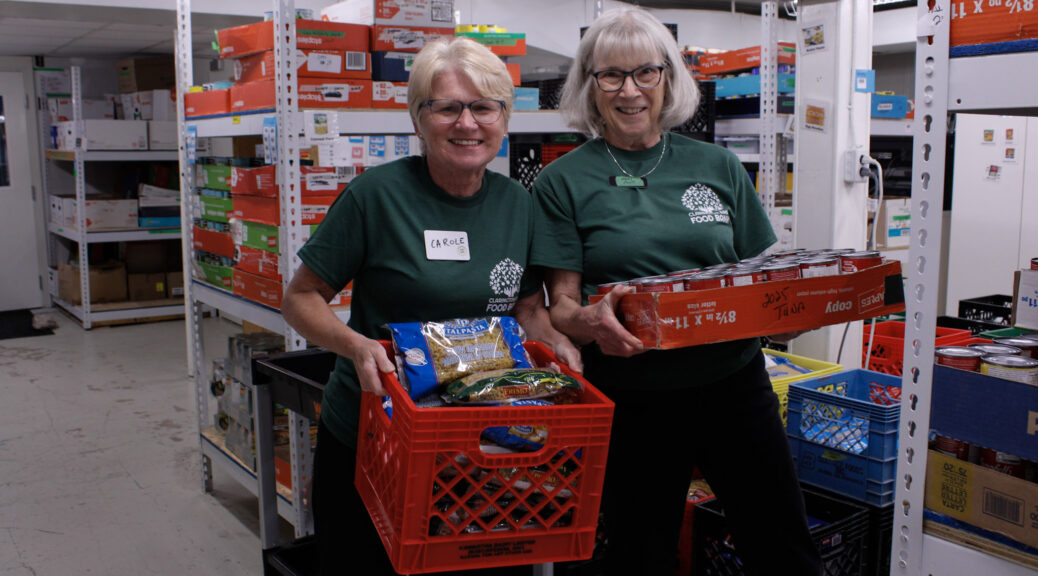
Friday, October 16 is World Food Day. You’ll probably see it in your feed this week, mostly with photos from far-off places, and those stories matter. But we want to talk about what hunger looks like a lot closer to home, because here in Clarington it rarely looks the way people picture it.
It might be the guy in the hi-vis vest grabbing a coffee before his shift. The grandmother on a fixed income who’s quietly started buying half of what she used to. The family with two working parents who still come up short by the last week of the month. The kid in your child’s class who says he “isn’t hungry” at lunch.
It’s our neighbours. And there are more of them every year.
The Numbers Are Hard to Read
Feed Ontario’s most recent Hunger Report found that more than one million Ontarians needed a food bank, visiting over 8.7 million times. That’s the ninth year in a row it’s gone up, and the highest demand Ontario has ever recorded.
Look at who those people are:
- 1 in 3 were walking into a food bank for the first time
- 1 in 3 were children
- 1 in 4 had a job and still couldn’t make ends meet
- 3 in 4 were renters
- Twice as many were seniors compared to five years ago, because fixed incomes haven’t kept up with the cost of living
Read that one about jobs again. A quarter of the people relying on Ontario food banks are working. For generations, the deal was simple: get a job and you’ll be able to feed your family. For a lot of people, that deal isn’t holding anymore.
Nationally, Food Banks Canada’s HungerCount recorded close to 2.2 million visits in a single month, double what it was in 2019.
And food banks are feeling it. More than half of Ontario food banks say they’re worried about running out of food in the next six months, and one in ten have already had to cut back services.
What It Looks Like Here
Those are provincial numbers. Here’s what they look like in Clarington East.
In 2025, 662 people turned to Clarington East Food Bank. This year, it’s 820. That’s 158 more of our neighbours, an increase of almost 24% in a single year.
And here’s the number that stops us cold: one in three people we’ve served this year came to us for the first time. Last year, it was one in five. That’s around 270 people walking through our doors who had never needed a food bank before, roughly double the year before.
Our numbers line up almost exactly with the province. These aren’t people who have “always needed help.” They’re people who were getting by, until rent, groceries and everything else finally caught up with them.
“Innovate Today. Nourish Tomorrow.”
That’s the theme the UN’s Food and Agriculture Organization picked for World Food Day this year. When the FAO talks about innovation, they usually mean farming technology and global supply chains.
At a community food bank, innovation tends to look smaller and a lot more human. Sometimes it’s just rethinking how help gets offered.
Take our Back to School program. We could have filled backpacks and handed them out. Instead, we gave out $13,000 in Walmart gift cards to 62 families, supporting 154 students, so parents could take their kids shopping and let them choose their own backpack and shoes. That one change turned a handout into a normal family outing. It’s what we mean when we say a hand up, not a hand out.
Dignity isn’t a nice extra. When asking for help doesn’t feel humiliating, people are more likely to reach out before things fall apart.
And “nourish tomorrow”? That part is about kids. One in three people using Ontario food banks is a child. After Back to School, a young guy named Elijah wrote to tell us he used his gift card to buy crayons and markers so he could share them with his friends. That’s what a kid does when his basic needs are covered. He starts thinking about everyone else.

Feed a kid today, and you’re shaping who shows up in this community tomorrow.
Food Banks Were Never Supposed to Be the Answer
Here’s the part we don’t say often enough. Food banks started as an emergency stopgap. A short-term fix to get people through a rough patch.
That’s not what they are anymore. Food Banks Canada said it plainly in their latest report: volunteers and donations, as important as they are, can’t keep pace with this on their own. When three out of four people at the food bank are renters, the problem isn’t really food. It’s rent, wages, and benefits that haven’t kept up with what life costs now.
We’ll keep the shelves as full as we possibly can. That’s our job and we’re proud of it. But real change happens when every level of government treats hunger as the warning sign it is.
Ten Days From Now, You Get a Say
Ontario’s municipal election is Monday, October 26. Our local council makes decisions on housing, transit, zoning, and community services, all things that shape whether a family can afford groceries at the end of the month.
We don’t tell anyone how to vote. But we’d love it if you asked every candidate who knocks on your door one simple question:
“What will you do about food insecurity in Clarington?”
What You Can Do This Friday
- Donate. Every dollar helps us keep up with demand. Donate link
- Volunteer. We always need hands, especially heading into the holidays. Volunteer link
- Share this post. A lot of people still don’t know how many of their neighbours are struggling. Help change that.
- Ask your candidates. One question, ten days, real impact.
- Stay in the loop. Sign up for our newsletter in the sidebar to hear how your support is being used.
Hunger in Ontario has been growing for nine years straight. That’s not a law of nature. It’s the result of choices, and different choices can turn it around. This World Food Day, let’s start making them, right here at home.
Clarington East Food Bank believes in providing our neighbours with choice and dignity, not just charity. Because everyone deserves a hand up.